

When it comes to maintaining the structural integrity of residential or commercial buildings, understanding the mainstream concrete repair methods is crucial. Whether you are dealing with foundation cracks, leaking basements, or structural shifts, the method you choose determines the longevity of the repair.
At Adoration, we specialize in providing professional-grade equipment for the most effective repair techniques used in the industry today. In this guide, we break down the three primary ways professionals tackle concrete damage.
1. Epoxy Grouting: The Gold Standard for Crack Repair
Epoxy injection is widely considered the most effective mainstream concrete repair method for restoring the structural strength of cracked concrete. Unlike polyurethane foams which expand to stop leaks, epoxy is non-foaming. Once cured, it becomes as strong as—or even stronger than—the concrete itself.
The Importance of Mixing Ratios
Not all epoxy resins are created equal. Different formulations require specific mixing ratios to ensure proper chemical bonding and curing. Using the wrong equipment can lead to soft spots or failed repairs.
To handle these variations, Adoration offers a specialized lineup of Dual Injection Pumps designed for precision:
-
DN-999 Dual Injection Pump (1:1): Perfect for standard 1:1 ratio epoxies used in most residential crack injections.
-
DN-999(L) Dual Injection Pump (2:1): Specifically engineered for higher-viscosity resins requiring a 2:1 mix.
-
DV-999 Multi-Ratio Dual Injection Pump: Our most versatile unit, supporting 1:1, 2:1, 3:1, 4:1, and 5:1 ratios. This is the go-to tool for contractors who work with multiple chemical brands.
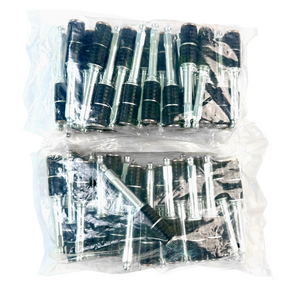
Pro Tip: Ensure you use high-quality injection packers (injection needles) to maintain high-pressure delivery deep into the substrate.
2. Break and Replace: The Traditional Approach
Sometimes, the damage is too severe for injection or reinforcement. The "Break and Replace" method involves demoing the damaged section and pouring new concrete.
-
When to use it: When concrete is "spalling" (flaking off), has deep "honeycombing," or when the internal rebar has corroded significantly.
-
The Downside: This is the most labor-intensive and intrusive method. It creates significant dust, noise, and downtime for the facility or homeowner.
3. Carbon Fiber Reinforcement: The Modern Powerhouse
For structural strengthening without the bulk of traditional steel plates, Carbon Fiber has become a mainstream concrete repair method favored by modern engineers. It is particularly effective for bowing basement walls or reinforcing bridge decks.
Why is Carbon Fiber replacing traditional methods?
-
High-Strength: Carbon fiber is 10x stronger than steel, providing immense tensile strength to prevent further shifting.
-
Easy-to-Install: It is a lightweight product. The procedure is straightforward and much faster than installing heavy steel beams.
-
Long-Lasting: Unlike steel, carbon fiber is non-corrosive. It is incredibly durable, boasting a lifespan of 25 years or more.
-
Versatile: It can be used to strengthen foundation walls, wall openings, and localized cracks simultaneously.
-
Less Intrusive: Because it has a thin profile, it doesn’t take up square footage. Once installed and painted over, it is nearly invisible.
Conclusion: Which Method Do You Need?
Choosing the right mainstream concrete repair method depends on the goal:
-
For structural bonding and waterproofing cracks: Use Epoxy Grouting with an Adoration dual injection pump.
-
For severe surface degradation: Use Break and Replace.
-
For bowing walls and added strength: Use Carbon Fiber Reinforcement.
Equip Your Next Project with Adoration
Quality repairs require quality tools. From high-pressure injection pumps to precision injection packers, Adoration provides the professional gear you need to get the job done right the first time.
0 comments